Buy büroausstattungen.eu ?
We are moving the project
büroausstattungen.eu .
Are you interested in purchasing the domain
büroausstattungen.eu ?
domain@kv-gmbh.de · 0541-91531010
Buy büroausstattungen.eu ?
How is the partitive formed?
The partitive is formed in French by using the preposition "de" followed by the definite article "le," "la," or "les." This combination contracts to form "du," "de la," or "des" before a singular or plural noun, respectively. For example, "some bread" is "du pain" and "some apples" is "des pommes." The partitive is used to indicate an unspecified quantity or portion of a mass noun. **
What is the French partitive article?
The French partitive article is used to indicate an unspecified quantity of a noun that cannot be counted. It is formed by combining the preposition "de" with the definite article corresponding to the noun's gender and number. For example, "du" is used with masculine singular nouns, "de la" with feminine singular nouns, and "des" with plural nouns. The partitive article is used in French to express concepts like some, any, or a part of something. **


Similar search terms for Partitive
Top-Angebote
Products related to Partitive:
-
Freestanding Narrow Shoe Organizer Cabinet with 2 Open ShelvesDiscover a space-saver that keeps your shoes pristine and your essentials within reach! Our chic shoe storage cabinet features adjustable dividers in 2 flip drawers, perfect for various shoe types.122,49 $*Shipping: 0,00 $Secure redirect to the provider
-
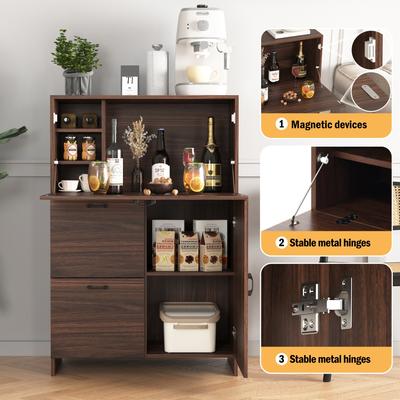
GREATPLANINC Foldable Desk Cabinet with Storage Drawer & Shelves, Space-Saving Wall Storage Cabinet Buffet CabinetMaximize your space with this foldable desk cabinet that seamlessly transforms from a compact storage unit to a functional writing desk. The clever fold-up design hides clutter when not in use, offering both convenience and modern style.355,49 $*Shipping: 0,00 $Secure redirect to the provider
-
Multicon Wholesale Hub Drawer Apothecary Cabinet Herb Storage Box Wooden Desk Organizer Drawer Apothecary Cabinet Herb Storage Box Wooden Desk OrganizerBring order, charm, and a touch of vintage character to your favorite space. This herb storage box is designed for anyone who loves tidy shelves, beautiful workstations, and easytoreach essentials. With 16 compact drawers, it keeps herbs, craft...159,97 $*Shipping: 0,00 $Secure redirect to the provider



-
What are partitive articles in the French language?
Partitive articles in French are used to indicate an unspecified quantity of a noun. They are used when referring to a portion or some of a mass noun, such as food or liquid. The partitive articles in French are "du" (for masculine nouns), "de la" (for feminine nouns), and "de l'" (for nouns starting with a vowel or silent "h"). These articles are essential for expressing the concept of some or any in French. **
-
What is the rule for the partitive article?
The rule for the partitive article in French is to use "de" followed by the definite article (le, la, les) to indicate an unspecified quantity or some of a mass noun. For example, "du" is used for masculine singular nouns, "de la" for feminine singular nouns, and "des" for plural nouns. The partitive article is used when referring to an unknown or unspecified quantity of something. **
-
How do you form the genitive partitive in Latin?
In Latin, the genitive partitive is formed by using the genitive case of the noun followed by the word "partis" or "partis" (depending on the gender of the noun) to indicate a part of the whole. For example, if the noun is "puella" (girl), the genitive partitive would be "puellae partis" to indicate "part of the girl." This construction is used to express the idea of "some of" or "a part of" something. **
-
What are partitive articles and quantity increases in French?
Partitive articles in French are used to indicate an unspecified quantity of a noun. They are used with uncountable nouns or when referring to a portion of something. Quantity increases in French involve using words like "plus de" (more), "beaucoup de" (a lot of), or "trop de" (too much) to indicate an increase in the quantity of something. These expressions are used to specify a larger amount of a noun compared to using just the partitive article. **


Can you please help me with the partitive article?
The partitive article is used in French to indicate an unspecified quantity of something. It is often used with uncountable nouns to express "some" or "any" in English. The partitive article changes depending on the gender and number of the noun it precedes. For example, "du" is used before masculine singular nouns, "de la" before feminine singular nouns, and "des" before plural nouns. It is important to use the correct partitive article to indicate the appropriate quantity in French. **
When do you use the partitive article in French?
The partitive article in French is used to indicate an unspecified quantity of a mass noun. It is used when referring to a part of a whole, or an unspecified amount of something. For example, "du" is used for masculine nouns, "de la" for feminine nouns, and "de l'" for nouns starting with a vowel or silent "h". It is important to use the partitive article when talking about food, drinks, or other uncountable nouns in French. **
Top-Angebote
Products related to Partitive:
-
Fundinbaths "Fold-Up Desk Cabinet with Drawer & Shelves, Space-Saving Wall Desk Organizer, 31.5"" W x 13.8"" D x 47.2"" H"Product Introduction Make the most of tight areas with this fold-up desk cabinet. The upright door panel drops down to create a convenient desktop for laptops or writing, then folds back up to conceal clutter.295,54 $*Shipping: 0,00 $Secure redirect to the provider
-
Freestanding Narrow Shoe Organizer Cabinet with 2 Open ShelvesDiscover a space-saver that keeps your shoes pristine and your essentials within reach! Our chic shoe storage cabinet features adjustable dividers in 2 flip drawers, perfect for various shoe types.122,49 $*Shipping: 0,00 $Secure redirect to the provider
-
GREATPLANINC Foldable Desk Cabinet with Storage Drawer & Shelves, Space-Saving Wall Storage Cabinet Buffet CabinetMaximize your space with this foldable desk cabinet that seamlessly transforms from a compact storage unit to a functional writing desk. The clever fold-up design hides clutter when not in use, offering both convenience and modern style.355,49 $*Shipping: 0,00 $Secure redirect to the provider
-
How is the partitive formed?
The partitive is formed in French by using the preposition "de" followed by the definite article "le," "la," or "les." This combination contracts to form "du," "de la," or "des" before a singular or plural noun, respectively. For example, "some bread" is "du pain" and "some apples" is "des pommes." The partitive is used to indicate an unspecified quantity or portion of a mass noun. **
-
What is the French partitive article?
The French partitive article is used to indicate an unspecified quantity of a noun that cannot be counted. It is formed by combining the preposition "de" with the definite article corresponding to the noun's gender and number. For example, "du" is used with masculine singular nouns, "de la" with feminine singular nouns, and "des" with plural nouns. The partitive article is used in French to express concepts like some, any, or a part of something. **
-
What are partitive articles in the French language?
Partitive articles in French are used to indicate an unspecified quantity of a noun. They are used when referring to a portion or some of a mass noun, such as food or liquid. The partitive articles in French are "du" (for masculine nouns), "de la" (for feminine nouns), and "de l'" (for nouns starting with a vowel or silent "h"). These articles are essential for expressing the concept of some or any in French. **
-
What is the rule for the partitive article?
The rule for the partitive article in French is to use "de" followed by the definite article (le, la, les) to indicate an unspecified quantity or some of a mass noun. For example, "du" is used for masculine singular nouns, "de la" for feminine singular nouns, and "des" for plural nouns. The partitive article is used when referring to an unknown or unspecified quantity of something. **
Similar search terms for Partitive
-
Multicon Wholesale Hub Drawer Apothecary Cabinet Herb Storage Box Wooden Desk Organizer Drawer Apothecary Cabinet Herb Storage Box Wooden Desk OrganizerBring order, charm, and a touch of vintage character to your favorite space. This herb storage box is designed for anyone who loves tidy shelves, beautiful workstations, and easytoreach essentials. With 16 compact drawers, it keeps herbs, craft...159,97 $*Shipping: 0,00 $Secure redirect to the provider
-
YUN 6-Tier Shoe Storage Cabinet with Adjustable Shelves, Freestanding Shoe Organizer CabinetStylish & Functional Shoe Cabinet: Upgrade your entryway with ’s shoe cabinet! Designed for modern homes, this shoe storage cabinet combines sleek white finish with natural rattan doors, blending effortlessly into any decor.239,99 $*Shipping: 0,00 $Secure redirect to the provider
-
Tools, Home & Hobby Kids 5 Compartment Cubby Storage Cabinet Classroom Organizer With 2 Shelves Kids 5 Compartment Cubby Storage Cabinet Classroom Organizer With 2 ShelvesBring calm to busy spaces and make cleanup easier for little hands. This cubby storage cabinet gives toys, books, school supplies, backpacks, and everyday essentials their own easytoreach place. Designed as practical classroom storage for...269,97 $*Shipping: 0,00 $Secure redirect to the provider
-
How do you form the genitive partitive in Latin?
In Latin, the genitive partitive is formed by using the genitive case of the noun followed by the word "partis" or "partis" (depending on the gender of the noun) to indicate a part of the whole. For example, if the noun is "puella" (girl), the genitive partitive would be "puellae partis" to indicate "part of the girl." This construction is used to express the idea of "some of" or "a part of" something. **
-
What are partitive articles and quantity increases in French?
Partitive articles in French are used to indicate an unspecified quantity of a noun. They are used with uncountable nouns or when referring to a portion of something. Quantity increases in French involve using words like "plus de" (more), "beaucoup de" (a lot of), or "trop de" (too much) to indicate an increase in the quantity of something. These expressions are used to specify a larger amount of a noun compared to using just the partitive article. **
-
Can you please help me with the partitive article?
The partitive article is used in French to indicate an unspecified quantity of something. It is often used with uncountable nouns to express "some" or "any" in English. The partitive article changes depending on the gender and number of the noun it precedes. For example, "du" is used before masculine singular nouns, "de la" before feminine singular nouns, and "des" before plural nouns. It is important to use the correct partitive article to indicate the appropriate quantity in French. **
-
When do you use the partitive article in French?
The partitive article in French is used to indicate an unspecified quantity of a mass noun. It is used when referring to a part of a whole, or an unspecified amount of something. For example, "du" is used for masculine nouns, "de la" for feminine nouns, and "de l'" for nouns starting with a vowel or silent "h". It is important to use the partitive article when talking about food, drinks, or other uncountable nouns in French. **
* All prices are inclusive of VAT and, if applicable, plus shipping costs. The offer information is based on the details provided by the respective shop and is updated through automated processes. Real-time updates do not occur, so deviations can occur in individual cases. ** Note: Parts of this content were created by AI.